Clickasa
An all-in-one home services marketplace that connects homeowners with verified professionals for repairs, cleaning, and maintenance — including booking, payments, and reviews.
The Challenge
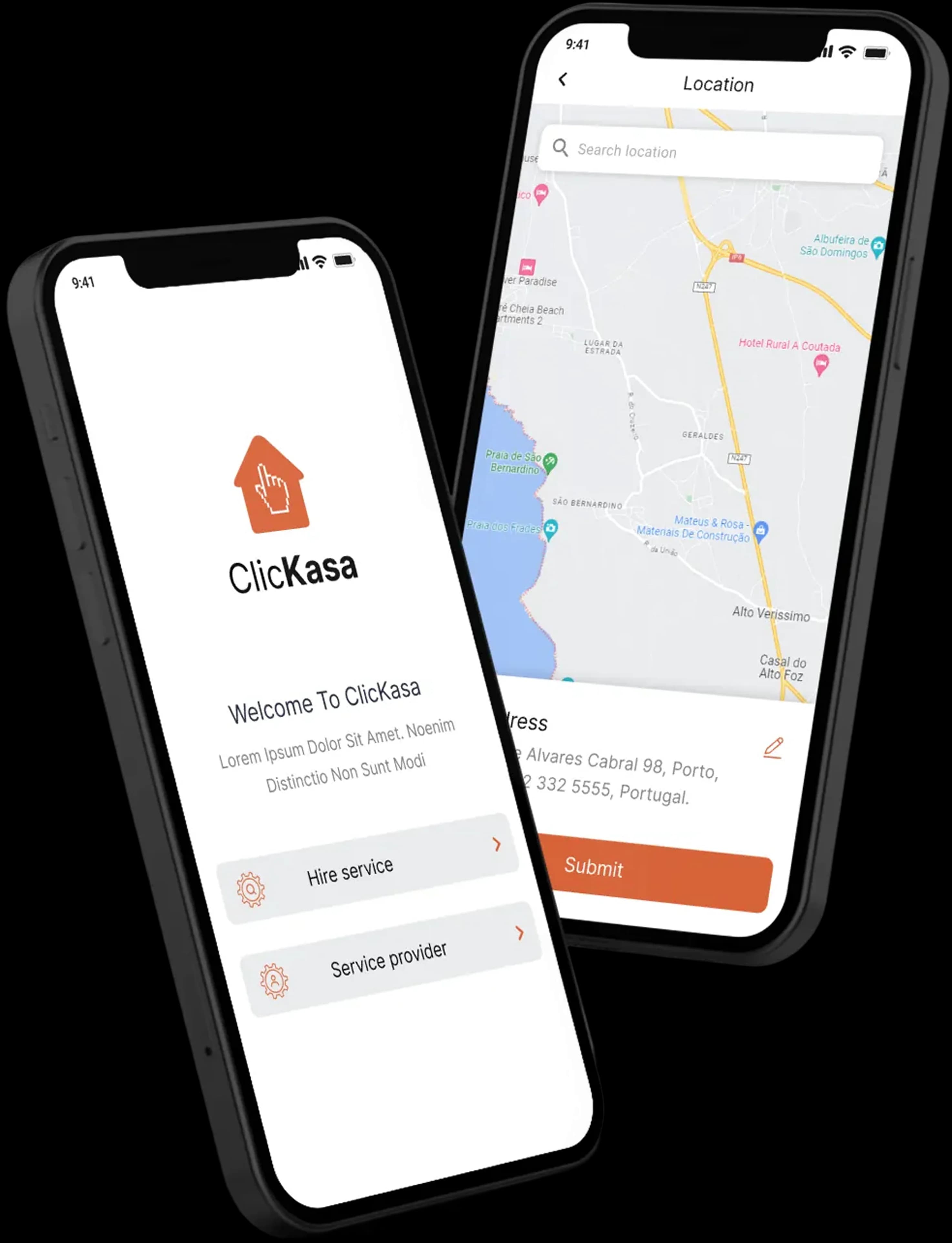
The existing Clickasa application had functional capabilities but lacked a clear visual structure, making it difficult for users to quickly understand service options, pricing details, and the overall booking journey across different screens.
The interface suffered from inconsistent layouts, typography, and component usage, which reduced user confidence and made the product feel fragmented rather than a unified, trustworthy home services platform.
From a business perspective, the client needed a redesigned application that could better represent their brand vision, support future growth, and visually communicate reliability to first-time users in a highly competitive marketplace.
What I Worked On
I worked as a UI/UX Designer on this project, responsible for understanding client requirements, reviewing the existing application, defining improved screen flows, and redesigning the complete mobile app with a strong focus on visual clarity and usability.
- User experience research and flow design
- Design system and UI components
- Frontend development with Next.js
- Performance and accessibility optimization
My Design Approch
The design process began with a clear understanding of the client’s business goals and product requirements, followed by a detailed review of the existing application to identify opportunities for improving layout structure, navigation clarity, and overall visual consistency.
After analyzing the current experience and exploring comparable products in the same domain, I focused on defining improved screen flows and content hierarchy that could simplify user interactions while supporting the platform’s core functionality.
Based on these insights, I moved directly into high-fidelity UI design in Figma, concentrating on creating clean, modern, and scalable interfaces that clearly communicate functionality and feel intuitive to use.
Throughout the process, designs were refined through internal discussions and client feedback, ensuring the final output met expectations while staying aligned with project timelines and real-world development constraints.
Key Features
The redesigned Clickasa experience focuses on strengthening core functional moduless that directly impact usability, trust, and operational efficiency.
Account Module
The account module delivers streamlined onboarding, secure authentication, and intuitive profile management, enabling users to register, manage personal details, and track bookings effortlessly across sessions. Personalized dashboards surface recent activity, preferences, and quick actions to simplify recurring interactions.
Map Functionality
Map functionality enables discovery of nearby professionals using real-time location, availability, and distance, helping users evaluate options quickly. Integrated routing and live-tracking improve coordination and ETA visibility, reducing uncertainty and improving confidence before booking.
Payment Integration
The payment system supports secure, multi-option transactions with clear checkout flows and confirmation stages, minimizing friction and abandonment. Real-time processing accelerates booking confirmations while transparent receipts and error handling foster predictable, auditable payments across service types.
Push Notifications
Push notifications keep users informed at every critical stage—booking confirmations, reminders, provider updates, and status changes—reducing uncertainty and missed actions. Timely, contextual alerts drive engagement, improve on-time arrival, and enable faster communication without manual checking.
Search Algorithm
The search algorithm intelligently matches users with suitable professionals by weighing service requirements, skills, availability, ratings, and proximity, delivering prioritized, relevant results. Adaptive ranking reduces manual filtering, improves match quality, and surfaces reliable providers faster for confident booking.

Related Works
Here are some other case studies you might find interesting.

Purna Paper Products
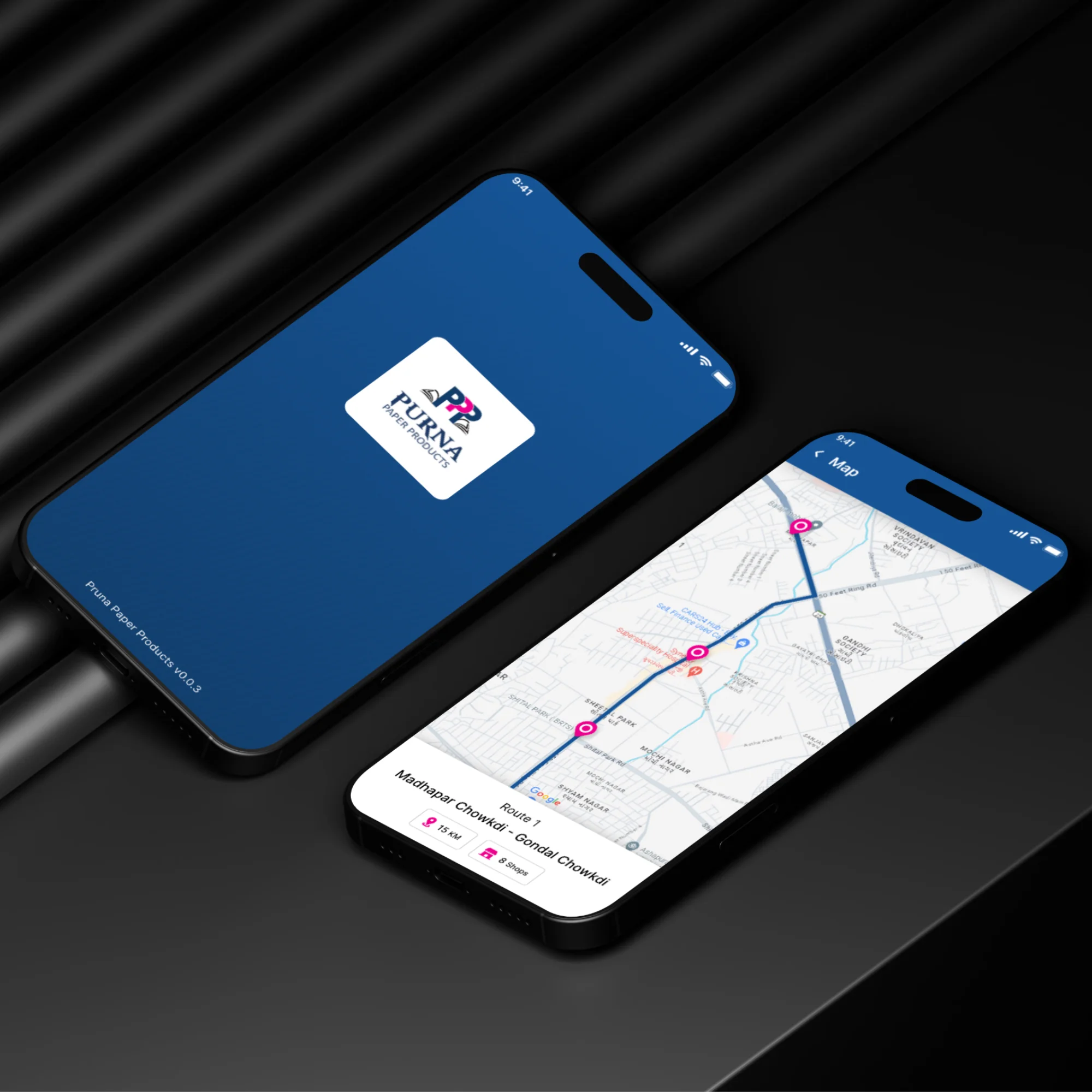
PPP (Purna Paper Products) provides scalable paper and stationery solutions.
View Casestudy

Important Note
This project was completed as part of my role at a company Pragetx Softwares PVT LTD. The work shown here is shared for portfolio purposes only and does not include confidential or proprietary information.